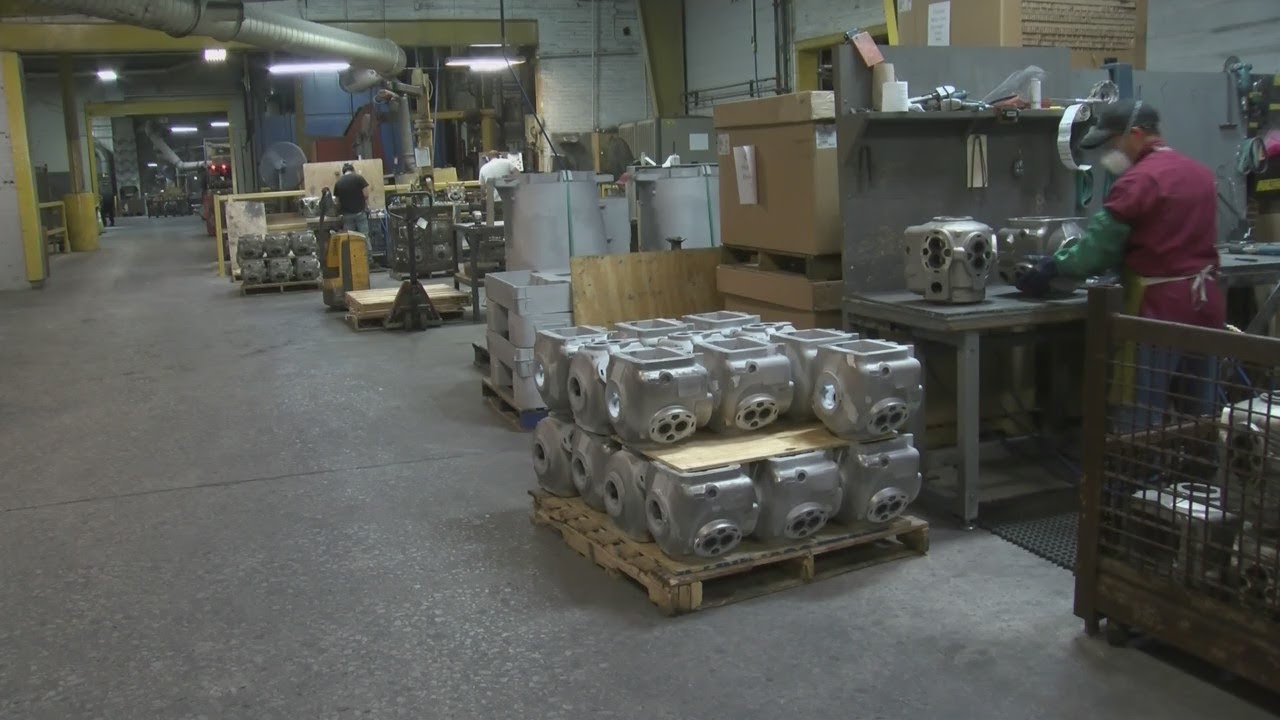
Aluminum Foundry Techniques that Boost Manufacturing Efficiency
How Steel Spreading Shapes the Future of Cutting-edge Item Style and Development
Steel casting is emerging as a pivotal force in the domain of product layout and growth. Its capability to produce light-weight frameworks and intricate geometries uses developers brand-new opportunities for advancement. Paired with advancements in technology and a concentrate on sustainability, steel spreading practices are evolving. This advancement questions regarding the future trajectory of layout across industries. What effects will these adjustments have for both consumers and makers alike?
The Advantages of Steel Casting in Item Development
While different manufacturing techniques exist, metal spreading attracts attention for its distinct advantages in product advancement. This method enables the production of complex shapes and elaborate designs that might be hard or impossible to accomplish with other processes. The convenience of steel casting enables the use of various products, including aluminum, iron, and bronze, supplying developers with a large range of alternatives to meet particular requirements. In addition, steel casting is affordable for both tiny and large manufacturing runs, as it decreases product waste and minimizes the need for comprehensive machining.
The toughness and toughness of cast metals contribute to the longevity of the final items, making them ideal for requiring applications. The ability to generate large parts in a single item decreases assembly time and improves structural integrity. Overall, steel casting functions as an essential strategy that sustains advancement and performance in item development across many fields
Ingenious Applications of Metal Casting in Numerous Industries
Metal spreading plays a substantial function in numerous markets, showcasing its innovative applications beyond traditional production. In the auto field, for instance, steel casting makes it possible for the production of light-weight yet sturdy elements, improving fuel efficiency and performance. Aerospace industries make use of advanced spreading strategies to create complex components that fulfill stringent safety and weight demands, promoting the advancement of cutting-edge airplane designs.
In the power industry, steel casting is necessary for producing generator components and structural components that stand up to extreme problems. The clinical area advantages from customized castings for medical tools and prosthetics, permitting specific customizing to specific client requirements. Additionally, the artistic sector uses steel spreading to create attractive products and intricate sculptures, combining innovation with creativity. These diverse applications illustrate exactly how steel spreading not just supports standard production however likewise drives innovation throughout different fields, leading the means for brand-new items and remedies.
The Duty of Sustainability in Metal Spreading Practices
As industries increasingly prioritize environmental obligation, the assimilation of sustainability right into steel spreading methods has actually become important. This change is driven by the requirement to decrease waste, preserve energy, and limit greenhouse gas discharges. Lots of shops are adopting recycled products, making use of scrap steel to lower the need for virgin resources. On top of that, innovations in energy performance are being implemented, such as utilizing electrical heaters and maximizing warm healing systems.
Water use is an additional centerpiece, with techniques targeted at decreasing consumption and making certain correct therapy of wastewater. Furthermore, the application of green binders and finishes is obtaining grip, lowering harmful emissions throughout the casting process. By embracing these sustainable practices, the steel spreading market not just enhances its environmental footprint but also satisfies the enhancing consumer need for ecologically responsible products. This positioning with sustainability concepts placements steel casting as a forward-thinking market in the domain name of ingenious product layout and development.
Advancements in Steel Spreading Innovation
The evolution of steel spreading modern technology is closely connected to the industry's dedication to sustainability, cultivating developments that improve effectiveness and product quality. Current improvements consist of the advancement of sophisticated products such as light-weight alloys, which boost strength-to-weight proportions while minimizing overall product use. Additionally, techniques like 3D printing and additive manufacturing have actually gotten grip, permitting much more complicated geometries and reduced waste during the manufacturing process.
Automation and robotics have streamlined casting operations, lessening human error and optimizing manufacturing rates. Boosted simulation software program likewise plays a vital role by forecasting casting defects prior to they take place, thus lowering rework and scrap prices. These technological improvements not only sustain sustainable methods yet likewise empower designers to explore new innovative methods, ultimately bring about more innovative and eco-friendly products. The continuous visit assimilation of these advancements remains to shape the landscape of steel spreading, making it a pivotal element in product design and advancement.
Future Fads in Product Layout Driven by Metal Spreading
While advancements in steel spreading technology pave the way for future patterns in item layout, developers are significantly utilizing these advancements to produce much more sustainable and effective items. The combination of 3D printing with steel spreading my latest blog post allows the manufacturing of intricate geometries that were previously unattainable, permitting light-weight yet long lasting styles. Furthermore, making use of recycled steels is acquiring grip, straightening with global sustainability goals and reducing the ecological influence of production.
In addition, developments in simulation and modeling software allow developers to forecast exactly how products will certainly behave under different problems, leading to maximized layouts with decreased waste. Metal Casting. Personalization is additionally becoming a focal point, as metal spreading methods allow individualized items without significant boost. As these fads remain to progress, the partnership between developers and metal spreading specialists will likely promote innovative solutions that satisfy both functionality and aesthetic appeal in future item designs
Frequently Asked Inquiries
What Products Are Commonly Used in Metal Casting Procedures?

Just How Does Metal Casting Compare to 3D Printing in Product Layout?
Steel casting provides longevity and scalability, suitable for mass production, while 3D printing excels in quick prototyping and customization. Each technique presents unique advantages, influencing design options based on task needs and preferred outcomes.
What Industries Benefit Most From Metal Casting Innovations?
Automotive, aerospace, and manufacturing sectors profit most from metal casting advancements. These markets leverage progressed steel casting techniques for creating complex components, improving performance, lowering weight, and improving material residential properties, inevitably causing much more reliable production procedures.
Just How Do Steel Casting Methods Vary Throughout Different Cultures?
Metal spreading strategies differ substantially across cultures, influenced by regional products, customs, and technological developments. For instance, Eastern societies frequently highlight detailed designs, while Western practices might focus on performance and automation approaches.
What Precaution Are Important Throughout Metal Spreading Workflow?
Essential security measures find this throughout steel casting procedures consist of appropriate air flow, individual protective devices, fire safety procedures, threat communication, and normal training. Metal Casting. These precautions aid minimize risks connected with high temperatures, hazardous fumes, and prospective equipment breakdowns